
Turtle Nest Protection Program
About the Program
The turtle nest protection program launched in 2019 and focuses on providing nest protectors to the public so they can take action and help turtles near their homes!
Nest protectors are available to the public at the Potter’s Nurseries at 690 Golden Mile Rd, Kingston, ON K7M 6K6.


Why should you protect turtle nests?
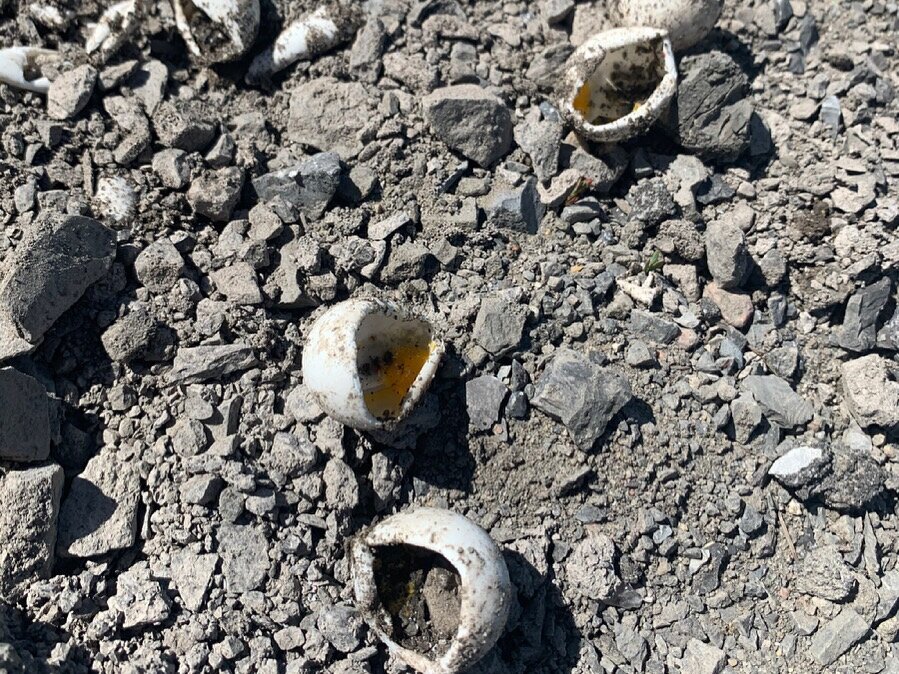
Turtle nests are regularly destroyed by predators like raccoons, otters, foxes, and crows. In fact, less than 1% of eggs survive to maturity. As a result, turtle nests near human populations need your help and protection!
By installing a nest protector, you can help more eggs survive!
Respect Nesting Turtles
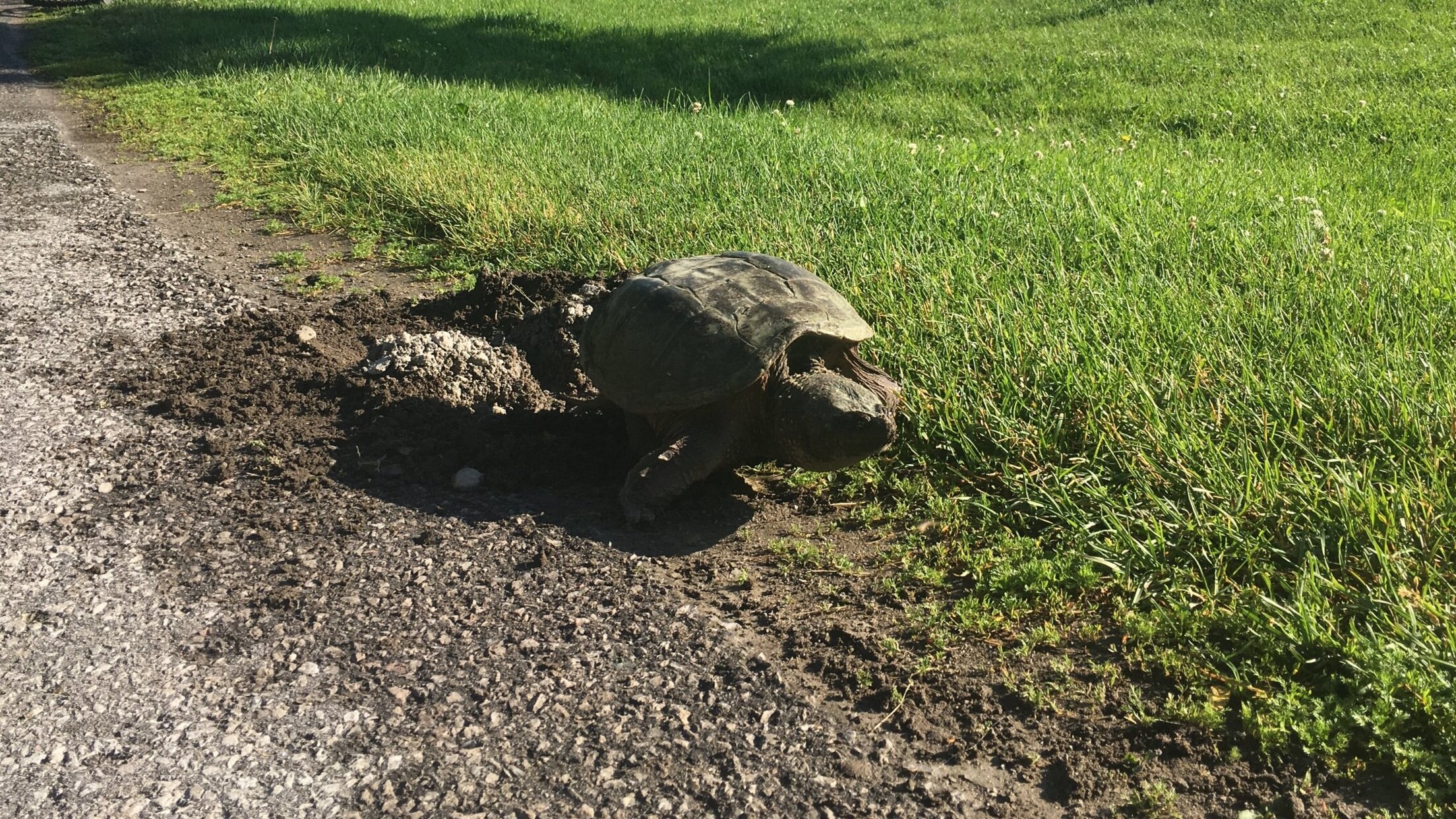
A nesting turtle is a beautiful thing to behold; however, we need to respect the turtle’s privacy and observe any nesting female from a distance of at least 10 meters.
Nesting turtles can be easily frightened. If a female is frightened regularly, or in a way that causes her stress, she may give up on laying her eggs. This may result in her retaining her eggs (which could be dangerous to her health and even cause death) or laying her eggs later in water (where they will not survive).

Facts about nesting
Never disturb or alter a turtle nest or the eggs - it is illegal
All nest protectors must be notched to allow hatchings to exit. This exit must be at least 2” by 2”.
Never place anything over the center of the nest protector as you want natural sun and rain to access the nest location.
Recent research recommends that nest protectors remain in place for the duration of incubation (60-90 days) which could be from the end of May to the end of September.
If you notice that a predator has tried to move the nest, you can place a flat brick or stone on the corner of the nest. These must be flat, so they don’t roll into the center of the mesh.
You must always obtain permission to put a nest protector on private property, road right-of ways, and other publicly or privately managed areas.
Any nest protector on public / private lands needs to be built to certain standards, similar to Turtles Kingston nest protectors.
Predators are attracted to turtle nests by both smell and sound. It is the smell of the fluids released by the female with the eggs, to keep them moist, that can attract predators within the first few days. Hatchlings make little noises while developing which can also be heard by predators during the entire incubation period.