How to help injured turtles
1. Find an injured turtle
2. Place the turtle in your vehicle
3. Record the exact location
4. Drive without music
~
1. Find an injured turtle 2. Place the turtle in your vehicle 3. Record the exact location 4. Drive without music ~
Flip each image to learn more
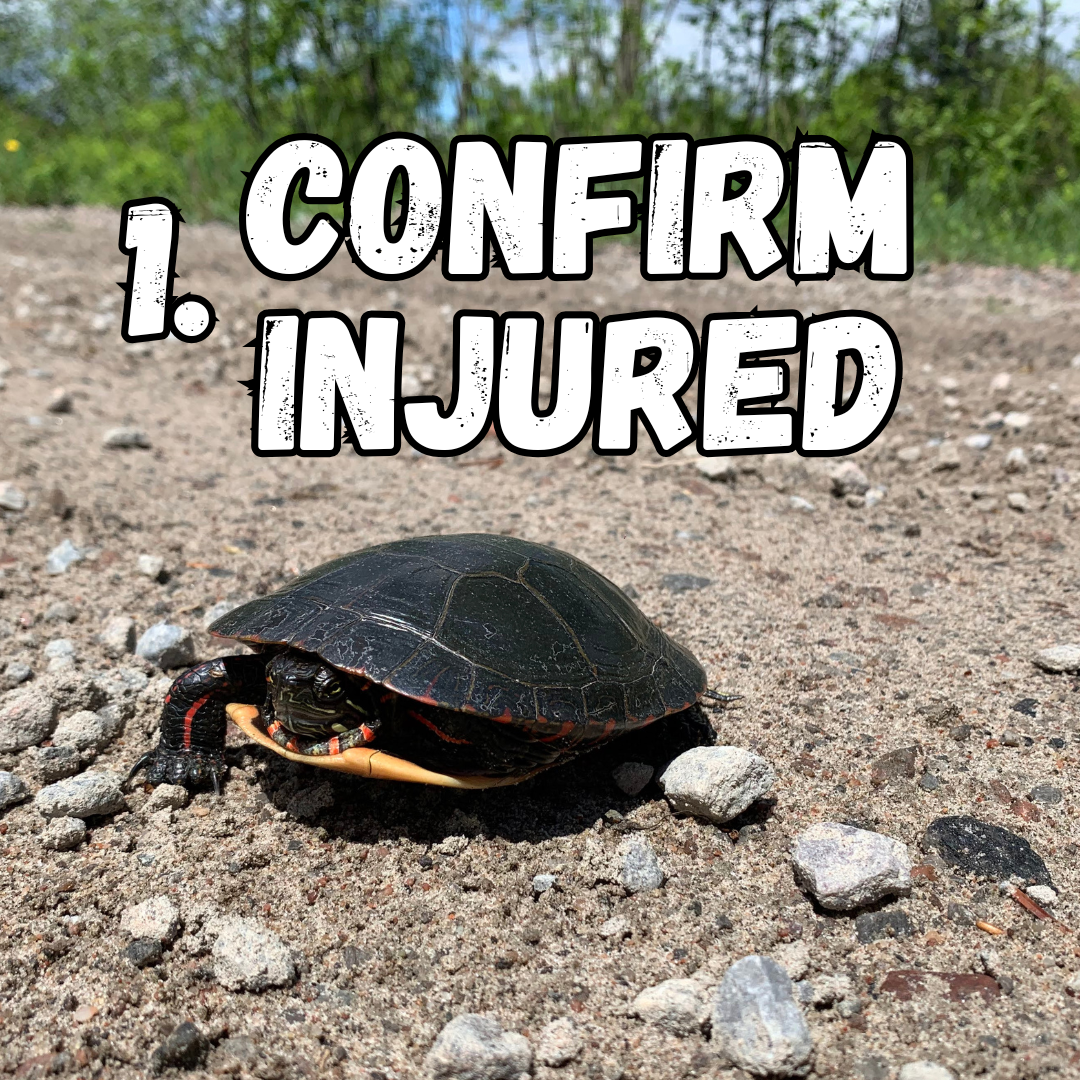
Confirm turtle is injured
Many turtles have old injuries. Check for fresh blood on their head, legs or nearby (aka the road), look at their carapace and plastron (top and bottom shell) for cracks. When unsure, best to bring the turtle to receive help.
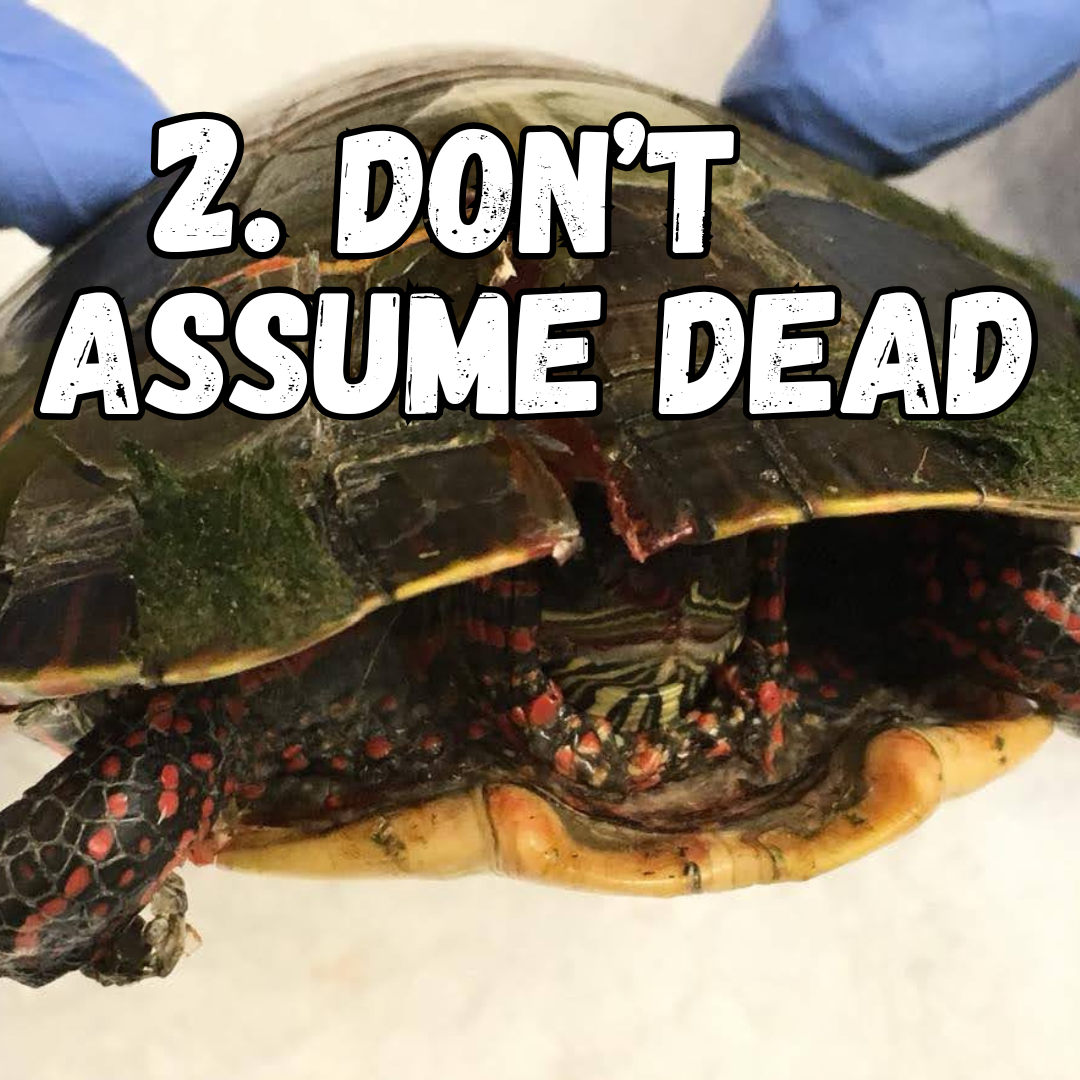
Do not assume the turtle is dead
Turtles can reduce their metabolism and breath so low they appear dead. Unless the turtle is stinky, flat, or dried out, assume they are alive and bring them to get help.
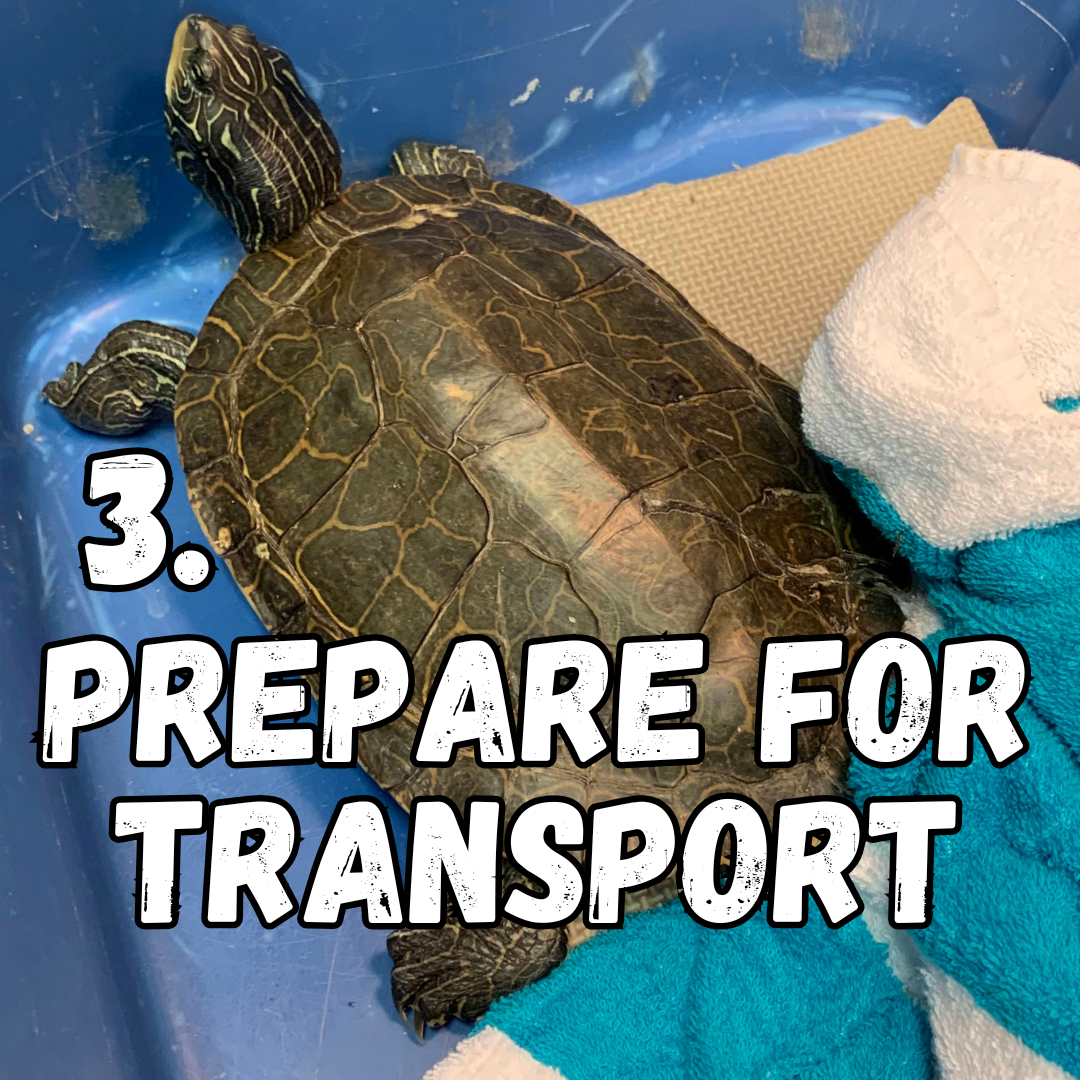
Prepare to transport
Move the turtle into a dry, ventilated container with a towel and a secure lid. Do not offer the turtle any food or water. Place the container in a secure location of the vehicle (e.g. on the floor or buckled into the back). Be sure you know how to safely move a turtle.
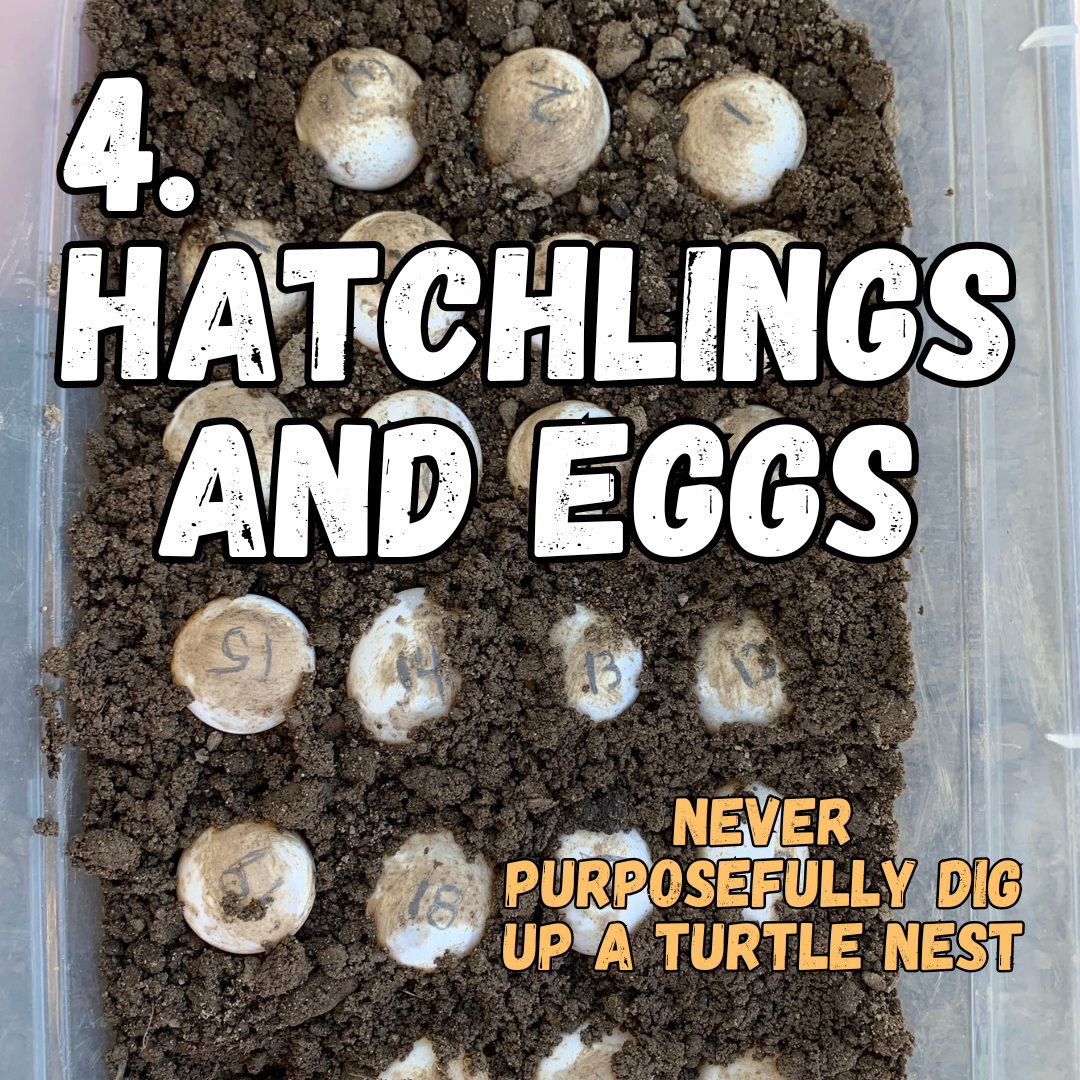
Special consideration
Hatchlings found after October can be brought to a rehab centre for winter. Any unearthed eggs must be immediately transported to a rehab centre for incubation. Place eggs in slightly damp soil from where found, be sure to NEVER turn or rotate eggs. NEVER dig up a turtle nest - it is illegal and could kill the hatchlings. Nest in a bad spot? Contact turtleskingston@gmail.com.
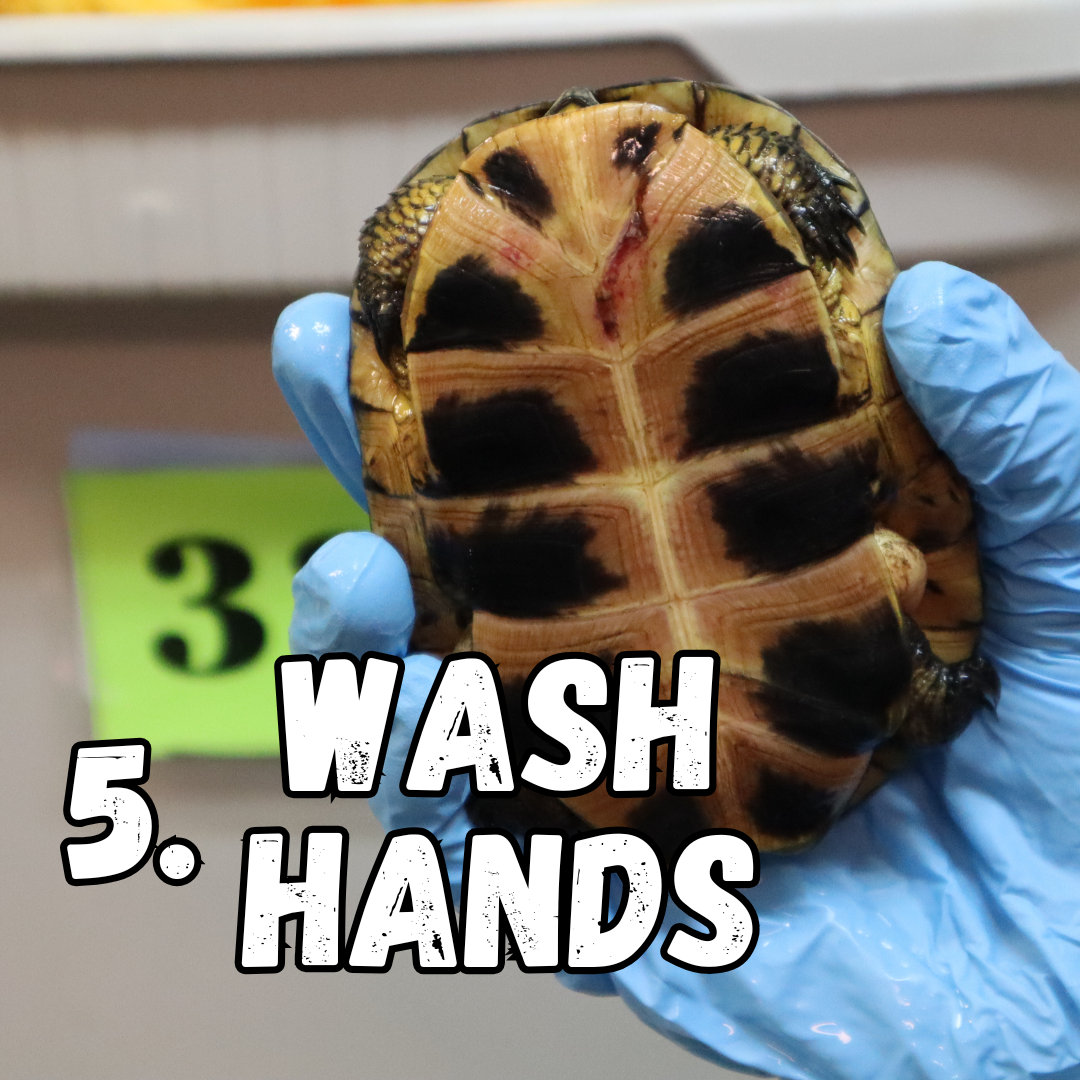
Wash your hands
Turtles can carry bacteria and pathogens so be sure to wash your hands with soap and water or use hand sanitizer after touching any turtle.
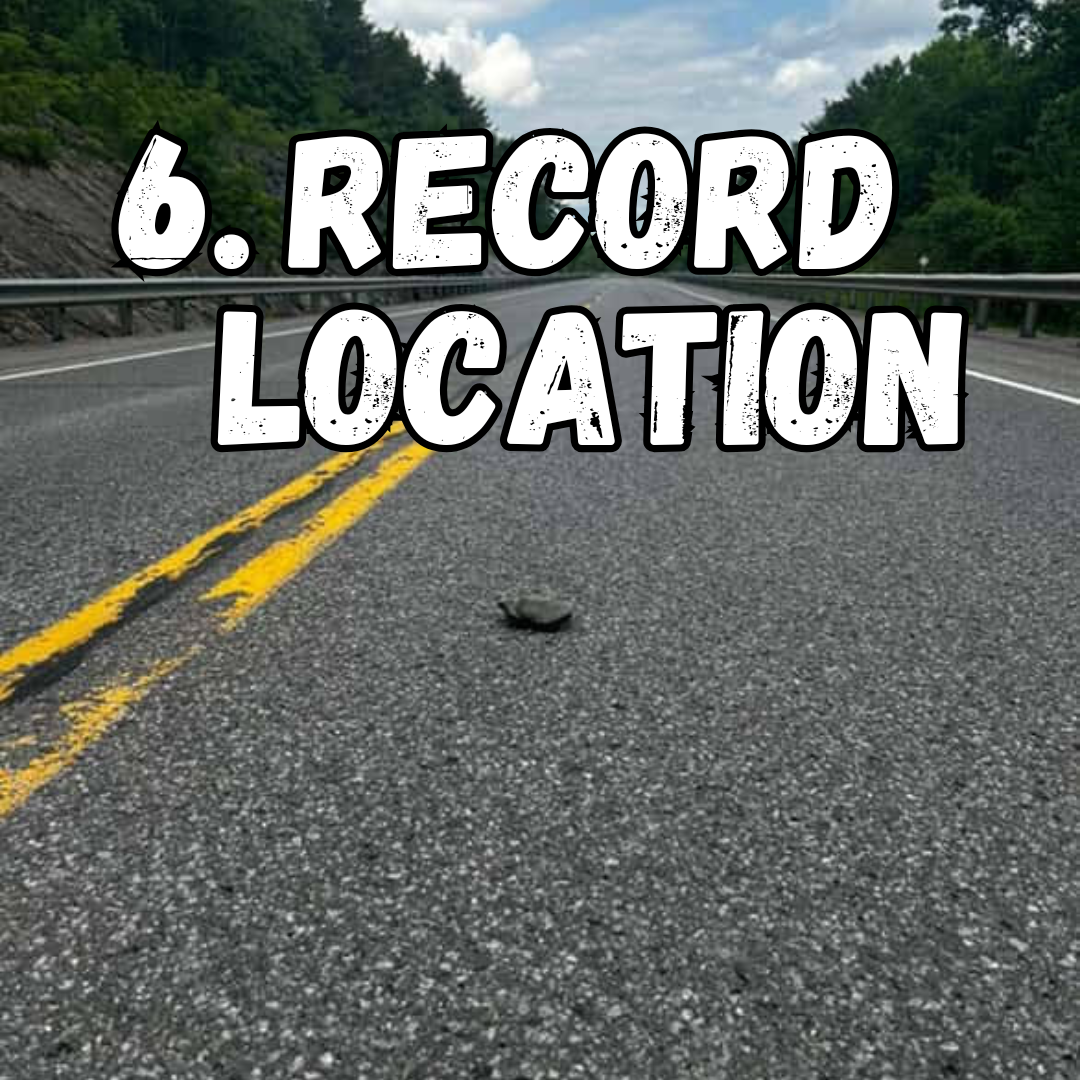
Record location information
Make sure you record the exact location you found the turtle - cross roads, nearest water body, house number etc. This information is required to release the turtle, otherwise it may need to be euthanized.
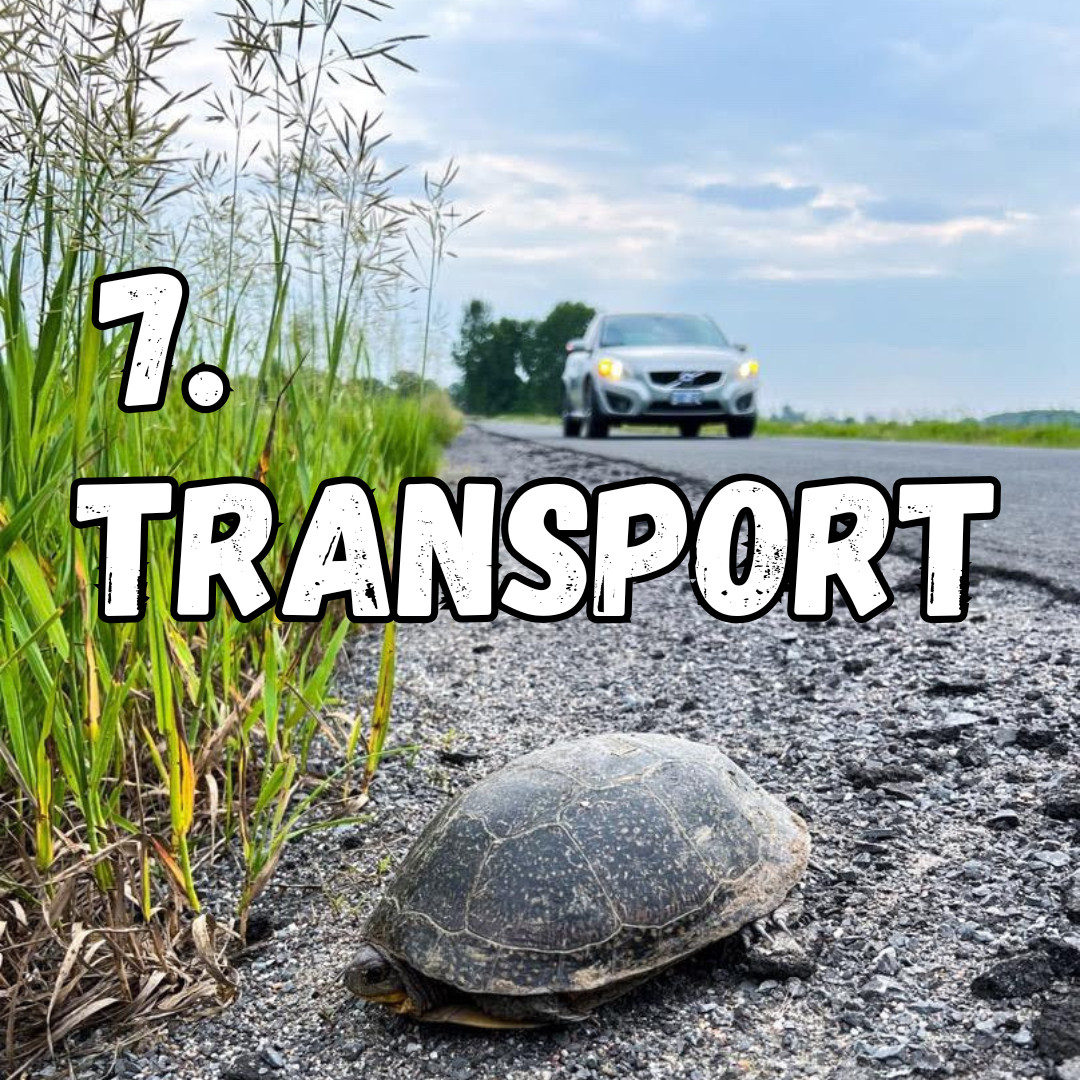
Transport the turtle
While driving do not play loud music, speak softly, and drive cautiously. Avoid sharp turns so the turtle does not slide around unnecessarily. You can bring the turtle to a Turtles Kingston temporary holding station, directly to Sandy Pines Wildlife Centre, or to the Peterborough Ontario Turtle Conservation Centre.
Drop off the turtle
Always ensure you hand the turtle over to a person - NEVER leave them unattended by a door. You will be asked for your personal information when dropping off a turtle, this is required by law for contact tracing purposes, should the turtle be carrying any viruses or bacteria.
Found a turtle after hours?
If you find a turtle after 6 pm most temporary holding stations and rehab centres will be closed for the evening and you will need keep the turtle over night - dropping them off the following day.
If you must keep the turtle overnight please do as follows:
place it in a well-ventilated container with a lid
find a quiet, cool, dark place to store the turtle over night
do NOT provide the turtle any food or water
ensure all pets and people stay away from the turtle
You can place a towel in the container under the turtle but ensure the towel is dry. This can provide them a little comfort but is not required.

Always be prepared to help an injured turtle with this car kit that includes:
bin - to place your turtle in (including lid and air holes)
two sizes available - 26L (will fit smaller turtle species and small snapping turtles) or 45L (will fit most adult snapping turtles)
towel - to help keep your turtle comfortable and from sliding around (place in bottom of bin)
work gloves - to protect your hands when handling a turtle
hand sanitizer - to clean your hands if soap and water are not available (should always be done after handling a turtle)
safety vest - to make sure you are visible to other vehicles
info sheets - to remind you how to move a turtle (one side) and how to help an injured turtle (second side)
***Only help a turtle if it is safe for you to do so
Also included is a Turtles Kingston bumper sticker (and a second one on the bin)
Available for local pick up from the Strathcona Park Neighbourhood in Kingston, ON. You will be messaged via email when your order is ready for pick up.
Always be prepared
If you come across turtles often on your travels, consider having a turtle warrior car kit ready in your trunk. Car kits include: plastic opaque well-ventilated container with a lid, towel, hand sanitizer, utility gloves, reflective safety vest.
What if you find a turtle on the highway?
If you spot a turtle on a busy four-lane highway like the 401:
Pull over only when it is safe to do so
Engage your emergency 4-way flashers
Remain in your vehicle
Make note of your location to provide to the operator
Call the OPP non-emergency telephone number 1-888-310-1122
Do not exit your vehicle. Wait for the responding officer to arrive
If the turtle is injured or dead, consider transporting it yourself to Sandy Pines Wildlife Centre or the Ontario Turtle Conservation Centre for trauma treatment, egg extraction, or euthanasia.
Why transport dead turtles?
When injured, a turtle’s metabolism can slow to the point that they appear dead but are still very much alive. Their slow metabolic rate combined with their amazing regenerative and healing abilities is what allows turtles to survive significant injuries that would be fatal in mammals and birds. These turtles require an experienced rehabilitator to determine if they are indeed dead, in need of euthanasia, or if they can be rehabilitated. Even if the turtle itself is dead, they may be a gravid female, in which case eggs can be extracted and incubated if rescued within 24 hours. You’d be surprised what can be done to help heal a turtle!
NOTE: if the turtle smells, is desiccated or completely flat, it is too dead or has been dead for too long to be helped.